Every homeowner in Canada knows the sound of a door that isn’t quite right—the stubborn creak during a humid Ontario summer, the chilling draft of a Prairie winter whistling through a worn seal, or the frustrating struggle to turn a key in a frozen lock. Your doors are more than just entry points; they are essential for your home’s security, energy efficiency, and curb appeal.
However, when a door begins to show its age or sustains damage, you are faced with a common dilemma: door repair vs replacement. Is a simple fix enough to restore its function, or is it time to invest in a brand-new unit? This guide will break down the critical factors involved in this decision, helping you choose the most cost-effective and practical solution for your property.
Deciding Factors in the Repair or Replacement Debate
Choosing between a quick fix and a total overhaul requires a balanced look at several variables. In the Canadian climate, where extreme temperature fluctuations can warp wood and contract metal, these factors become even more significant.
Age and Condition of the Door
Most exterior doors have a lifespan of 20 to 30 years, depending on the material. If your door is nearing the end of its expected life, repairs may only serve as a temporary bandage. An older door that has been repaired multiple times likely has underlying structural fatigue that a professional technician from Door Repair Canada can help identify.
Type and Extent of Damage
Surface-level issues like chipped paint or a loose hinge are vastly different from structural failures. While cosmetic damage is an easy fix, deep-seated rot in a wooden door or a rusted-through metal frame often signals that the door’s integrity is compromised beyond saving.
Material and Quality
High-quality solid wood or premium fiberglass doors are often worth repairing because their base value is so high. Conversely, if you have a builder-grade hollow-core door that has sustained a significant hole or crack, the cost of labor to repair it might actually exceed the price of a brand-new, higher-quality replacement.
Cost Comparison
You must weigh the immediate “sticker price” against long-term value. A repair is cheaper today, but if that door fails again in twelve months, you’ve wasted money. Generally, if a repair costs more than 50% of the price of a new door, replacement is the wiser financial move.
Energy Efficiency Concerns
In Canada, energy efficiency isn’t just a “nice to have”—it’s a necessity for managing heating bills. If your door is the primary source of heat loss in your foyer, a replacement with a modern Energy Star-rated unit will pay for itself over time through lower utility costs.
Aesthetic and Curb Appeal
Your front door is the focal point of your home’s exterior. If the door is functionally sound but looks like a relic from a bygone decade, a replacement can significantly increase your property’s resale value and neighborhood standing.
When to Repair Doors
In many instances, a door remains structurally sound and simply needs a professional touch to return to peak performance. Repairing is often the fastest and most environmentally friendly route.
Minor Cosmetic Damage
Dents in steel doors, scratches from pets, or minor warping due to humidity are usually fixable. For high-end wood doors, sanding and refinishing can make a twenty-year-old door look brand new without the need for a full replacement.
Hardware Issues
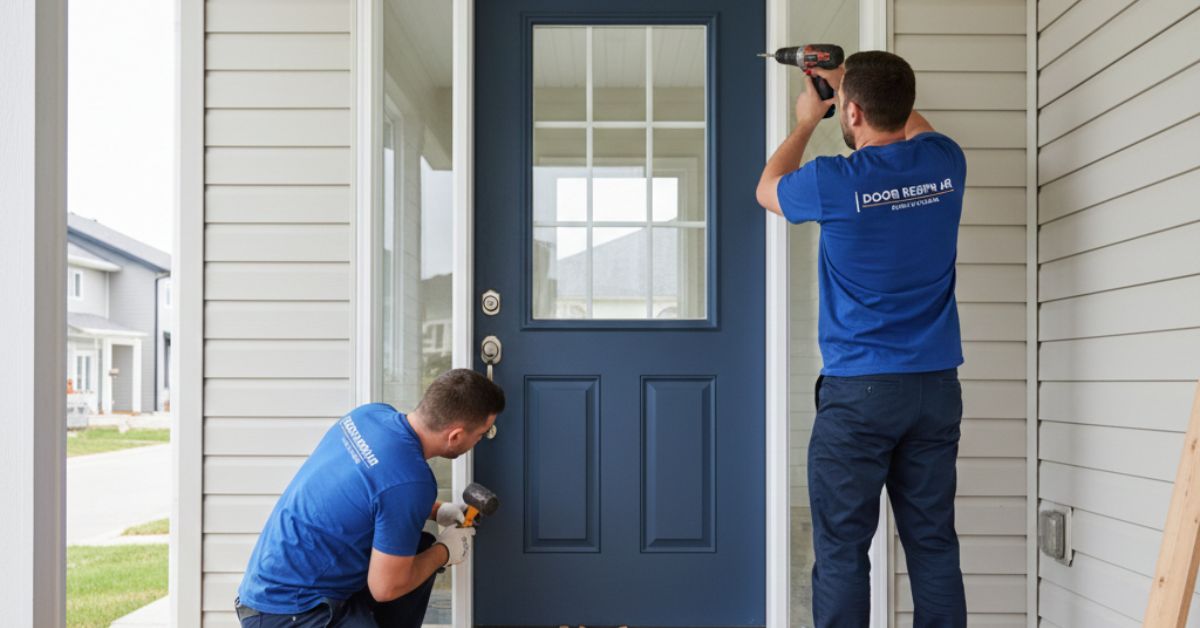
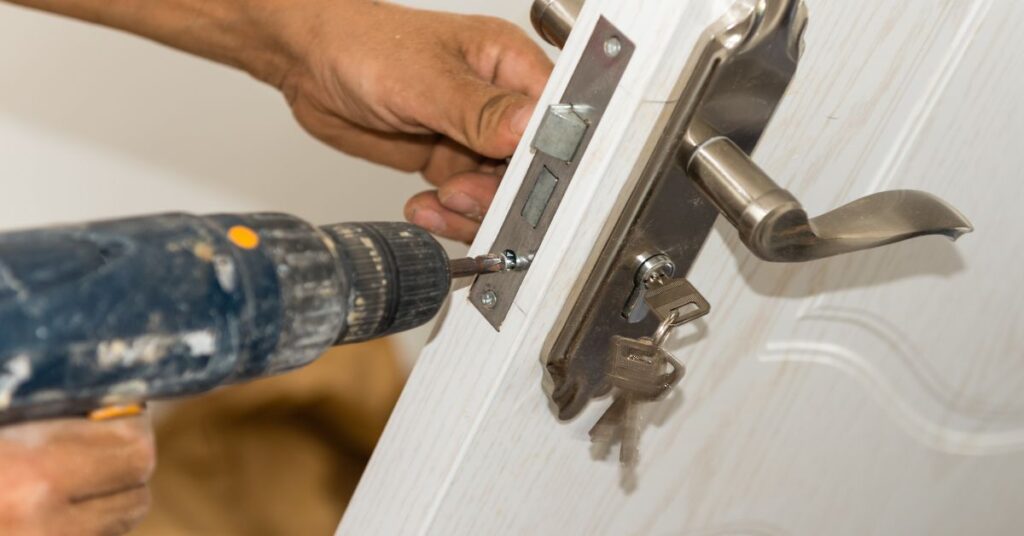
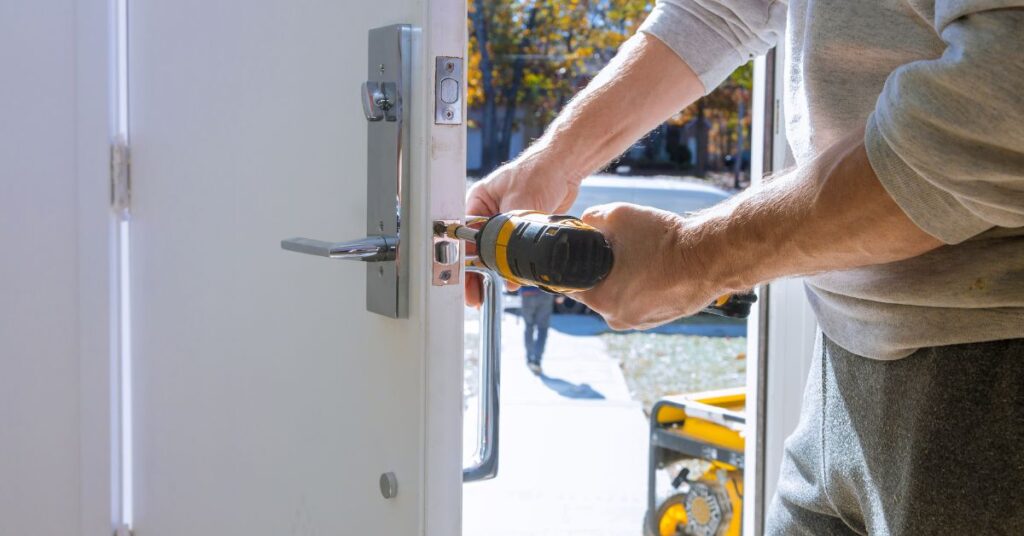
If your door is sturdy but the handle jiggles or the deadbolt sticks, you are looking at a hardware issue. Replacing hinges, locks, and strike plates is a routine task for Door Repair Canada and can significantly improve the “feel” and security of your entry.
Weather Stripping Problems
Is there a breeze coming through the bottom of the door? Weather stripping wears out every few years. Replacing the sweeps and seals is a low-cost repair that yields immediate results in comfort and energy retention.
Frame Alignment Issues
Over time, Canadian homes settle, causing door frames to shift slightly. This leads to sticking or sagging. Often, a professional can re-shim the frame or tighten the hinges to realign the door, avoiding the need for a full teardown.
Pros vs Cons of Repairing Broken Doors
Pros:
Cons:
May be temporary for severe damage
Limited improvements to energy efficiency
Not suitable for outdated or low-quality doors
Repairing is often ideal when problems are minor and the door remains structurally sound.
When to Replace Doors
Sometimes, the “repair” is just delaying the inevitable. There are specific scenarios where replacement is the only safe and logical choice.
Severe Structural Damage
If you notice soft spots in the wood (rot) or if a steel door has begun to delaminate (the skin peeling away from the core), the door can no longer protect your home. In Canada’s damp springs, rot can spread quickly to the wall studs if the door isn’t replaced.
Security Concerns
A door that has been kicked in or has a cracked frame near the locking mechanism is a major security risk. Even if it looks “fixed,” the internal integrity is gone. A new, reinforced door provides the peace of mind that your family is safe.
Persistent Energy Loss
If you can see daylight around the edges of your door even after replacing the weather stripping, the door or the frame itself is likely warped. Replacing the entire “pre-hung” unit ensures a factory-perfect seal that keeps the Canadian cold outside.
Outdated Design or Style
If you are renovating your home to a modern aesthetic, an old Victorian-style door will look out of place. Replacement allows you to upgrade to modern glass inserts, sidelights, and smart-lock compatibility that older doors simply can’t accommodate.
Pros vs Cons of Replacing Broken Doors
Pros:
Long-term investment with enhanced durability
Improved energy efficiency
Modern aesthetics and increased property value
Cons:
Replacement is recommended when structural, security, or efficiency issues cannot be resolved through repair.
Conclusion
Deciding on door repair vs replacement ultimately comes down to the balance between the door’s current integrity and your long-term goals for your home. While a repair is an excellent way to extend the life of a quality door and save money in the short term, a replacement is an investment in your home’s future—offering better security, lower energy bills, and a fresh look that lasts for decades.
If you are still unsure which path to take, don’t leave it to guesswork. At Door Repair Canada, our experts specialize in assessing the unique needs of Canadian properties. Whether it’s a simple hinge adjustment or a custom entry installation, we provide the professional insight you need to make the right choice.
Ready to secure your home? Contact Door Repair Canada today for a professional consultation and let us help you find the perfect opening for your home.